

sandblasted obscure glass
The Magnetic V Block from Storan represents a significant advancement in precision engineering tools, designed to support cylindrical workpieces during machining, measurement, and alignment processes. This article explores the product's features, technical specifications, applications, and the company background, while incorporating authoritative references to ensure credibility. # Product Overview Manufactured by Storaen (Cangzhou) International Trading Co., a leading supplier based in Hebei, China, the Magnetic V Block is engineered to meet the demands of modern industrial applications. The product is crafted from high-quality steel, ensuring durability and precision. Its design integrates magnetic force in both the V-shaped groove and the base, enabling secure clamping of cylindrical components such as shafts, tubes, and sleeves. This innovation simplifies alignment tasks, reducing the risk of errors during machining operations. # Key Features Integrated Magnetic Force: The V-shaped groove and bottom surface are equipped with strong magnets, allowing the block to securely hold cylindrical and angular workpieces without additional clamping mechanisms. High Accuracy: The Magnetic V Block ensures precise alignment of workpieces, making it ideal for applications requiring verticality and concentricity checks. Easy to Use: Its intuitive design minimizes setup time, enabling operators to quickly position and secure workpieces for machining or measurement. Versatile Applications: Suitable for grinding, line cutting, and other machining processes, the block adapts to various industrial needs. # Technical Specifications Parameter Details Material Steel Model Number 2002 Place of Origin Hebei, China Lead Time 7 days for 1-100 pieces; negotiated for quantities >100 Applications Testing verticality and concentricity of cylindrical parts # Applications in Industrial Processes The Magnetic V Block is a critical tool in various manufacturing scenarios. Its primary use involves supporting and aligning cylindrical workpieces during machining operations. By ensuring the workpiece axis is parallel to the benchmark countertop, the block facilitates accurate tooling for processes like grinding and line cutting. The magnetic force also allows for the secure placement of irregularly shaped components, such as 45° angle-holding square workpieces, without the need for additional fixtures. According to the National Institute of Standards and Technology (NIST), precision in manufacturing is essential for maintaining product quality and operational efficiency. NIST emphasizes that tools like the Magnetic V Block contribute to the development of standardized processes, which are vital for industries reliant on high-accuracy measurements. This aligns with NIST's mission to advance technology through research and measurement standards. # Product Images Below are images of the Magnetic V Block, showcasing its design and functionality: # Company Background: Storaen (Cangzhou) International Trading Co. Storaen (Cangzhou) International Trading Co. is a reputable manufacturer and supplier of industrial tools and machinery, specializing in precision engineering solutions. Based in Hebei, China, the company leverages advanced manufacturing techniques to produce high-quality products tailored to global market demands. Their commitment to innovation and quality control ensures that products like the Magnetic V Block meet international standards. The company’s product range includes a variety of machining services, such as broaching, drilling, and laser machining, catering to diverse industries. By prioritizing customer satisfaction and adhering to rigorous quality assurance protocols, Storaen has established itself as a trusted partner for manufacturers seeking reliable tools for their operations. # Why Choose the Magnetic V Block? The Magnetic V Block offers several advantages that make it a preferred choice for industrial applications: Enhanced Precision: The magnetic clamping system ensures minimal movement of workpieces, reducing errors during machining. Time Efficiency: Its user-friendly design streamlines setup and alignment processes, saving valuable production time. Durability: Constructed from high-grade steel, the block is built to withstand demanding environments and prolonged use. Cost-Effectiveness: By minimizing the need for additional clamping tools, the Magnetic V Block reduces overall operational costs. # Industry Relevance and Standards The integration of magnetic technology in the V Block reflects broader trends in industrial innovation, where automation and precision are paramount. As highlighted by NIST, the development of standardized tools and techniques is crucial for advancing manufacturing practices. NIST ’s research into measurement science directly supports the creation of tools like the Magnetic V Block, ensuring they meet the exacting standards required for modern production environments. Moreover, the Magnetic V Block aligns with global efforts to improve manufacturing efficiency. According to NIST , advancements in metrology (the science of measurement) are pivotal for industries aiming to reduce waste and enhance product reliability. By providing a reliable solution for aligning workpieces, the Magnetic V Block contributes to these goals, demonstrating the practical application of metrological principles. # Conclusion The Magnetic V Block is a testament to the synergy between engineering innovation and industrial needs. Its magnetic clamping system, combined with high precision and durability, makes it an indispensable tool for manufacturers. As industries continue to prioritize accuracy and efficiency, tools like the Magnetic V Block will play a vital role in shaping the future of manufacturing. # References National Institute of Standards and Technology (NIST) . (n.d.). Retrieved from https://www.nist.gov .
about
sandblasted obscure glass
Building a Welding Table The Essential Guide Creating a dedicated welding table is a fundamental project for any welder. A good welding table not only provides a flat and stable surface for your projects but also enhances safety and efficiency in your work. In this article, we will guide you through the essential steps and considerations for making a welding table that meets your specific needs. Step 1 Planning Your Welding Table Before starting any construction work, it’s crucial to plan the design of your welding table. Consider the following factors 1. Size Determine the dimensions based on your typical projects. A standard size varies, but a good starting point is around 4 feet by 2 feet. If you often work on larger projects, you may need to increase the size. 2. Height The ideal height of a welding table should be comfortable for your working stance. Generally, it is around waist height. Some experienced welders prefer adjustable height tables for added versatility. 3. Material The tabletop material is critical. Common choices include steel and aluminum. Steel is more durable and can withstand higher temperatures, making it ideal for welding. Consider using a 1/4-inch or thicker steel plate for the top, as it prevents warping and provides a reliable surface. 4. Portability Decide whether you want a stationary table or a portable one on wheels. A mobile table can be advantageous for small workshops or when workspace is limited. Step 2 Gather Materials and Tools Once you have a design in mind, it’s time to gather your materials and tools. Here’s a basic list - Steel or aluminum sheet for the tabletop - Steel tubing for the frame and legs - Angle grinder - Welding machine - Metal clamps - Measuring tape - Safety gear (gloves, mask, apron) - Level Step 3 Constructing the Frame Start by building the frame of your welding table. Cut your steel tubing to the desired lengths for the table legs and support beams. A common design features a rectangular frame, with four legs at each corner for stability. 1. Weld the Frame Position the cut tubing pieces and use clamps to hold them in place. Tack weld the corners before fully welding to ensure everything is square. making a welding table 2. Add Cross Supports Strengthen the structure by adding cross supports beneath the tabletop. This will prevent sagging and increase the overall stability of the table. 3. Attach Legs Securely attach the legs to the corners of the frame. Ensure they are evenly spaced and square to provide a level working surface. Step 4 Attaching the Tabletop Once the frame is ready, it’s time to attach the tabletop 1. Place the Steel Plate Position the steel sheet on top of the frame. Ensure it overhangs evenly on all sides if that is part of your design. 2. Weld the Top Use even, consistent welds along the edges to secure the tabletop to the frame. Take care to prevent any warping by allowing the metal to cool as you work. Step 5 Finishing Touches After the welding is complete, you should consider a few finishing touches 1. Level the Table Use a level to check the surface. If needed, adjust the legs to ensure the table is perfectly flat. 2. Surface Treatment To prolong the life of your welding table, consider painting it with high-temperature paint or adding a rust-resistant coating. 3. Add Features Many welders enhance their tables with additional features like built-in clamps, storage for tools, or electrical outlets for equipment. Conclusion Making a welding table is a rewarding project that significantly boosts your welding capabilities. It not only provides a flat and sturdy surface but also helps keep your workspace organized and safe. By following these steps and carefully considering your needs, you can build a welding table that serves you well for years to come. Happy welding!
-

High quality industrial productsagement

High quality industrial products
View Details -

Meet the diverse needs of customers

Meet the diverse needs of customers
View Details -

Strict quality control

Strict quality control
View Details -

Top raw materials

Top raw materials
View Details -

Trusted supplier

Trusted supplier
View Details
Our application

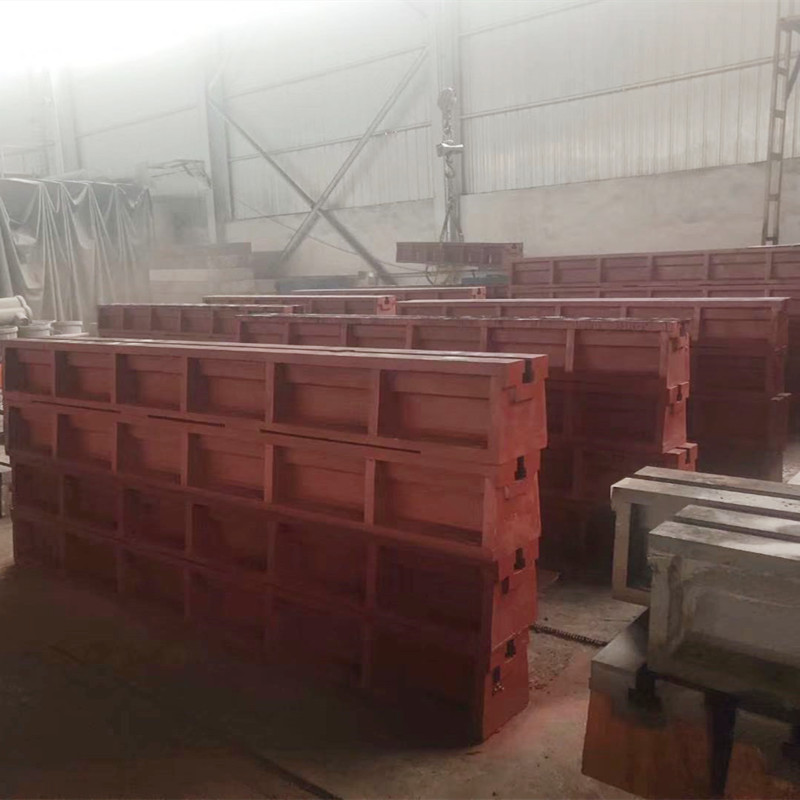


news and information
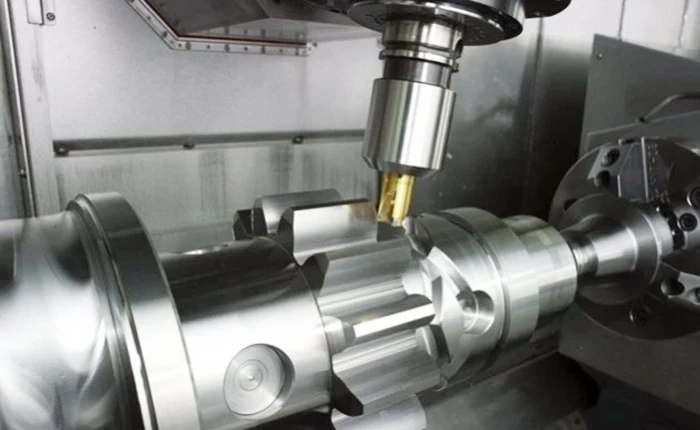
Welding and Fabrication Techniques for Efficient Metal Assembly and Construction
Understanding the Welding Fabrication Table A Comprehensive Overview Welding fabrication tables play
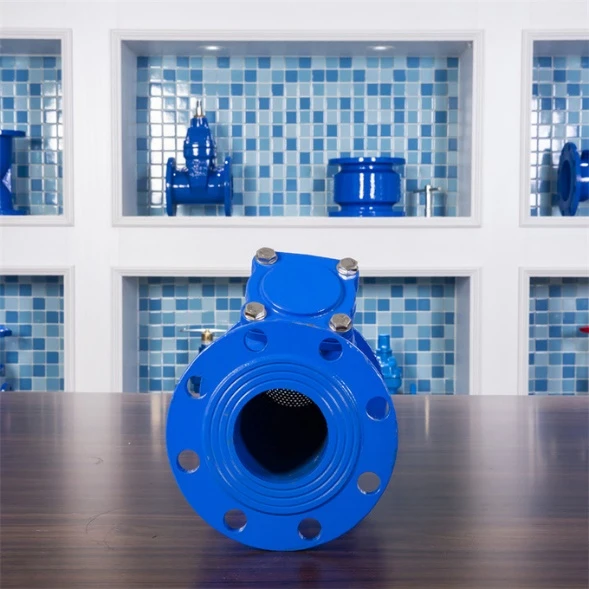
Valve Types & Applications
The valve industry is a cornerstone of modern infrastructure, serving critical roles in plumbing, oi
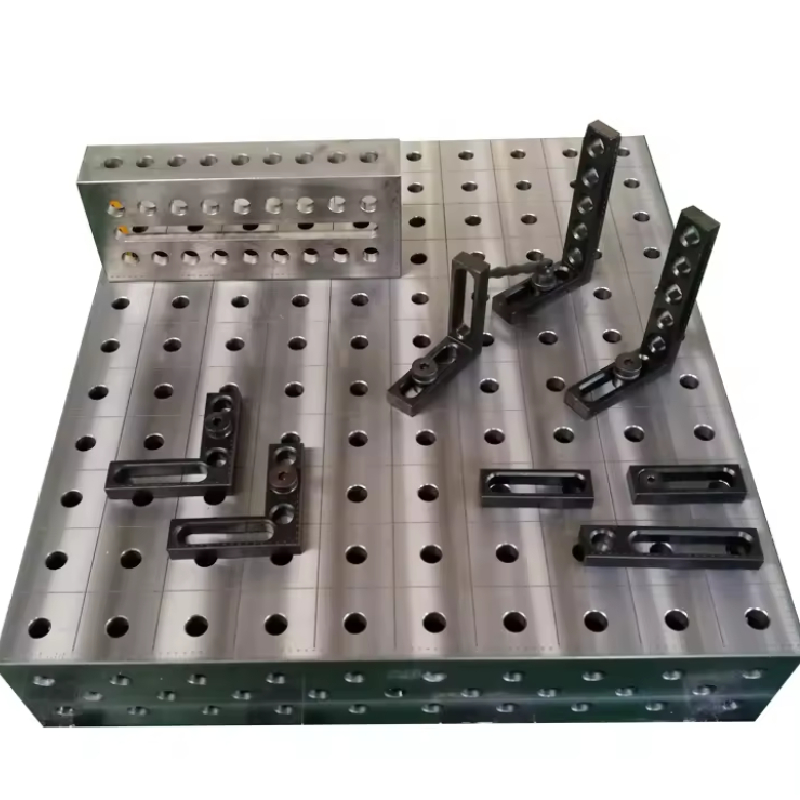
Water Pressure Regulation Valve for Efficient Flow Management and System Stability
Understanding Water Pressure Control Valves Water pressure control valves are essential components i
 English